A series of Arab governments and regional and Islamic organizations have issued statements condemning recent Houthi attacks on Saudi Arabia and expressing support for the Kingdom following an attempted ballistic-missile strike on Riyadh and other reported attacks on Saudi locations.
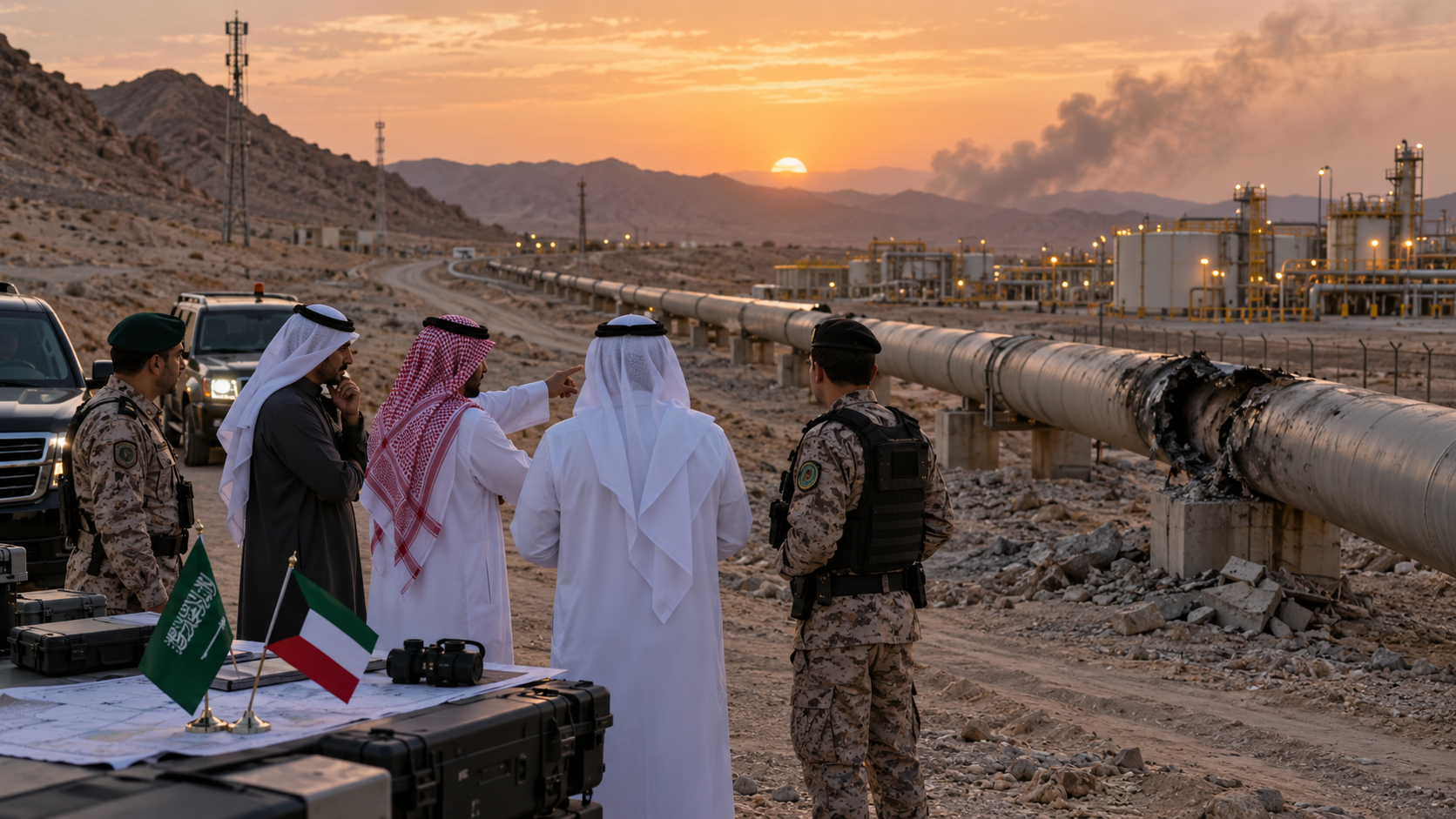
The reactions followed Saudi confirmation that its air defenses intercepted and destroyed a ballistic missile launched toward Riyadh on Saturday, September 19. The Saudi-led coalition also said Houthi forces attempted to target civilian areas or infrastructure in Baish, Taif, Farasan and Yanbu. Reuters, the Associated Press and other international outlets separately reported the Saudi confirmation of the Riyadh interception. Broader Houthi claims about additional targets were not independently verified in those reports.
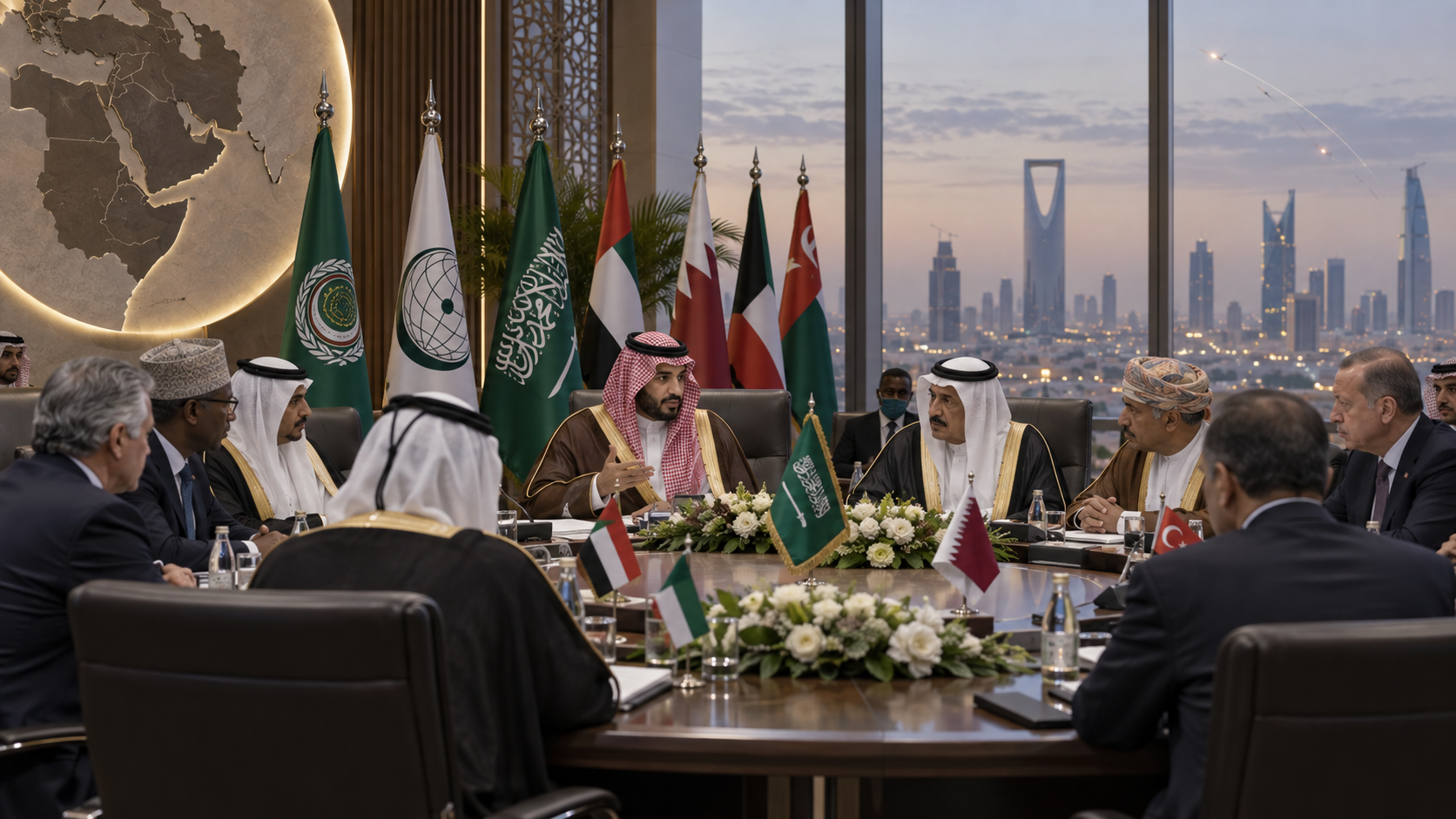
Saudi Gazette reported on Sunday that Yemen’s internationally recognized government, Kuwait, Egypt, Bahrain, Lebanon and Jordan issued separate statements condemning the attacks. Their statements used varying legal and political language but broadly focused on Saudi sovereignty, civilian protection and regional security.
Kuwait condemned the attempted missile strike on Riyadh and the reported attempts against other Saudi locations. According to the statement carried by Saudi media, Kuwait described the attacks as violations of Saudi sovereignty and international law and reiterated its solidarity with the Kingdom. It also said Saudi security is closely linked to the security of Kuwait and the wider Gulf Cooperation Council.
Egypt similarly expressed support for Saudi Arabia and rejected attempts to undermine the Kingdom’s security or sovereignty. Its statement characterized the attacks as a dangerous escalation that could increase regional tensions. That wording reflects the Egyptian government’s position and should be understood as an official diplomatic assessment rather than an independent legal finding.
Bahrain also issued a strong condemnation. The Bahraini statement cited international law, international humanitarian law, the UN Charter and relevant Security Council resolutions, while praising Saudi air-defense readiness. Bahrain called on the UN Security Council to act against repeated attacks targeting civilians and civilian objects and referenced Resolution 2216 in its statement.
Jordan separately condemned the attempted strike on Riyadh and the reported attacks on Baish, Taif, Farasan and Yanbu. Saudi Press Agency carried Jordan’s statement, which reaffirmed support for Saudi Arabia’s security, stability and territorial integrity.
Lebanon also condemned the missile attack targeting Riyadh and expressed solidarity with Saudi Arabia. The Lebanese statement rejected attacks on cities and civilian facilities and described threats to Saudi security as a risk to wider regional stability.
The internationally recognized Yemeni government blamed the Houthis for the attacks and also accused Iran of continuing to provide military support to the group. That allegation is part of the Yemeni government’s statement. Gulf Pulse is not presenting it as an independently established finding within this article.
Among regional and Islamic organizations, the Muslim World League condemned the continuing attacks and expressed support for Saudi measures to protect civilians and national security. Saudi Press Agency separately carried the MWL statement. The Gulf Cooperation Council also condemned the attacks.
Saudi Gazette additionally reported that GCC Secretary-General Jassem Mohamed Albudaiwi and UN Secretary-General António Guterres discussed the attacks during a meeting on the sidelines of the 81st UN General Assembly in New York and condemned attacks on civilian objects and threats to regional stability.
The diplomatic reactions come against the backdrop of a renewed escalation between Saudi Arabia and Yemen’s Houthis. Reuters and AP have reported a series of missile and drone attacks in recent days, along with Saudi responses and heightened concern about civilian safety and energy and shipping infrastructure. Those broader developments provide context for the unusually wide range of condemnations but do not change the need to distinguish verified events from claims made by the parties to the conflict.
The core event underpinning these statements — the Saudi announcement that a ballistic missile aimed at Riyadh was intercepted — is supported by multiple contemporary news organizations in addition to Saudi media. AP reported that Saudi Arabia confirmed the attempted attack, while Reuters reported both the interception and the wider escalation. No casualties or damage from the intercepted Riyadh missile were reported in the Saudi account, although Reuters and AP described smoke or fire observed near the airport area and noted separate Houthi claims about broader attacks.
For publication, the diplomatic statements should therefore be read as attributed positions by the governments and organizations that issued them. They show a broad pattern of political support for Saudi Arabia after the attempted Riyadh strike, but legal characterizations and claims about responsibility remain attributable to the speakers rather than conclusions independently reached by Gulf Pulse.