The Dubai Desert Conservation Reserve (DDCR) has established itself as a leading model for preserving desert ecosystems and safeguarding biodiversity within the United Arab Emirates. Spanning 225 square kilometres, which constitutes approximately five percent of Dubai's total land area, the reserve stands as the second-largest nature reserve in Dubai and holds the distinction of being the first national reserve in the country. It provides a crucial sanctuary for 562 distinct species, which includes 142 bird species, 22 types of mammals, 28 reptile species, 298 invertebrates, and 72 variety of plants. Its landscapes feature sand dunes, gravel plains, and ghaf woodlands, which collectively support the equilibrium and viability of the desert environment.
Ahmed Mohammed bin Thani, the Director-General of the Dubai Environment and Climate Change Authority (DECCA), highlighted that conserving these desert systems is central to Dubai's environmental strategy. He described the reserves as long-term investments in the emirate's natural assets, which bolster ecosystem resilience against climate change and advance sustainability objectives. Bin Thani emphasized that the DDCR serves as a pioneering framework, illustrating that desert conservation is fundamentally tied to protecting the UAE's cultural identity and natural legacy.
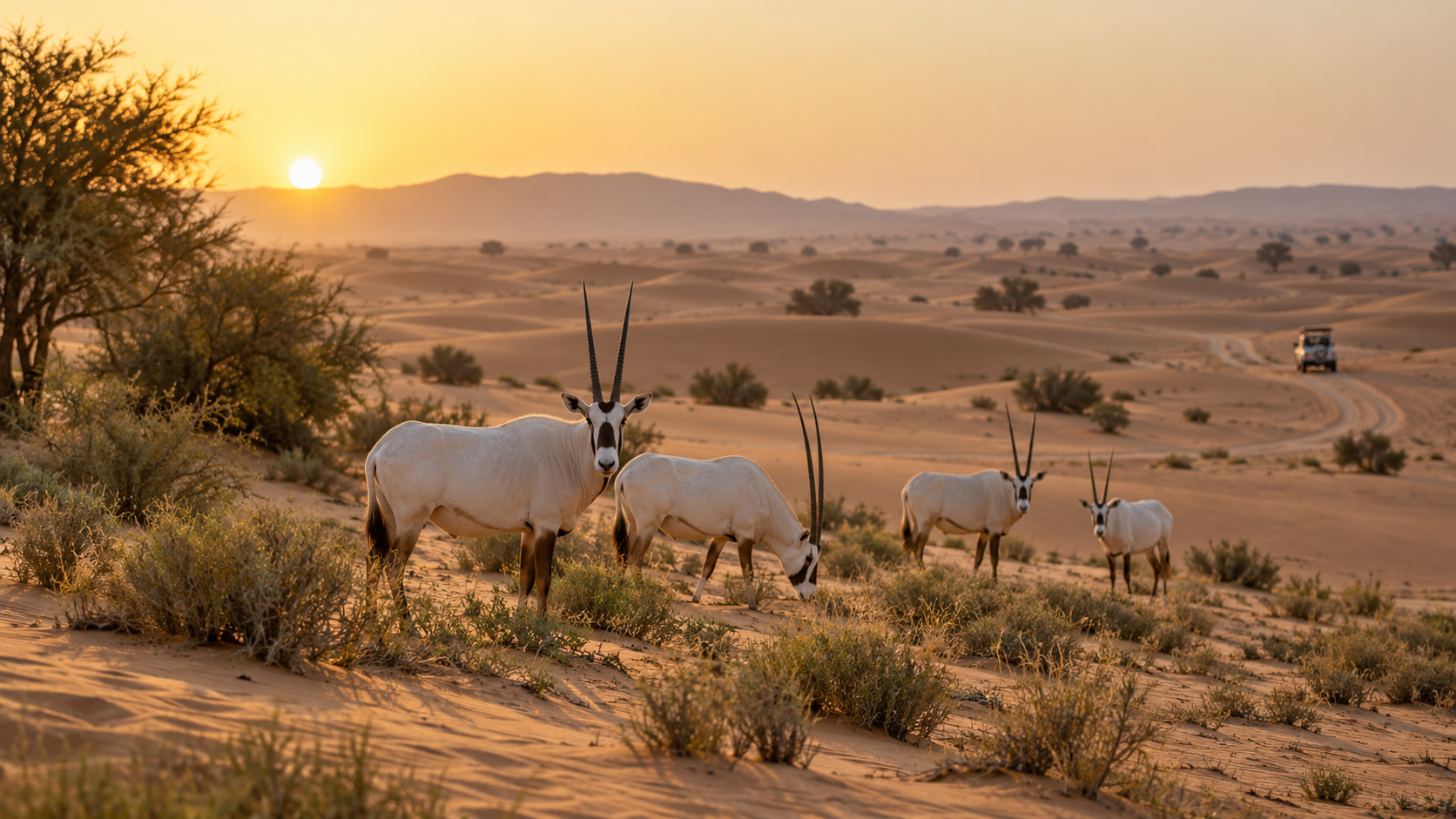
The reserve is home to several ecologically significant species, such as the Arabian oryx, mountain gazelle, Arabian sand gazelle, houbara bustard, eagle owl, and lappet-faced vulture. It also secures populations of regional significance, including the Egyptian spiny-tailed lizard and Gordon's wildcat. To counter the challenges of scarce rainfall and high temperatures, DECCA manages dedicated breeding and habitat programs alongside long-term biodiversity monitoring. Conducted in partnership with research bodies, these initiatives provide essential data for evidence-based decision-making. Furthermore, the DDCR integrates sustainable ecotourism, offering regulated visitor experiences that promote environmental awareness and community-led conservation.