The Dubai Environment and Climate Change Authority (DECCA) has embarked on a strategic project alongside the International Union for Conservation of Nature, Regional Office for West Asia (IUCN ROWA), to create and execute a comprehensive development scheme for Dubai’s nature reserve network. Announced at the inaugural Dubai Environment Conference and Exhibition 2026, the initial phase of this initiative is scheduled to span one full year.
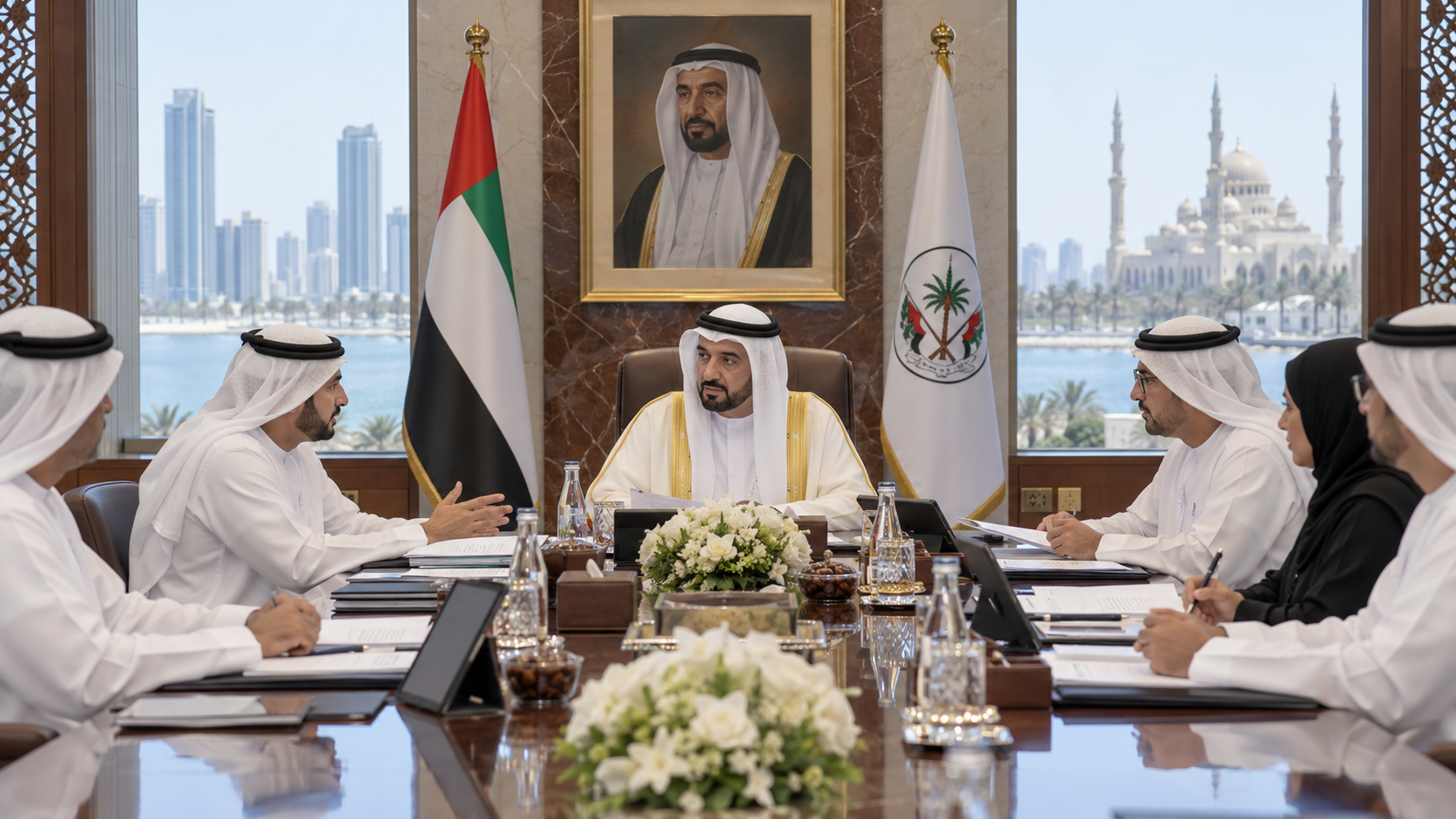
Signed by Ahmed Mohammed bin Thani, Director-General of DECCA, and Dr. Hany El Shaer, Regional Director of the IUCN West Asia office, the agreement establishes a scientific framework to evaluate and advance the emirate’s reserves. The effort aligns with DECCA's regulatory mandate for reserve management under Law No. (11) of 2024, as well as the broader goals of the Dubai 2040 Urban Master Plan.
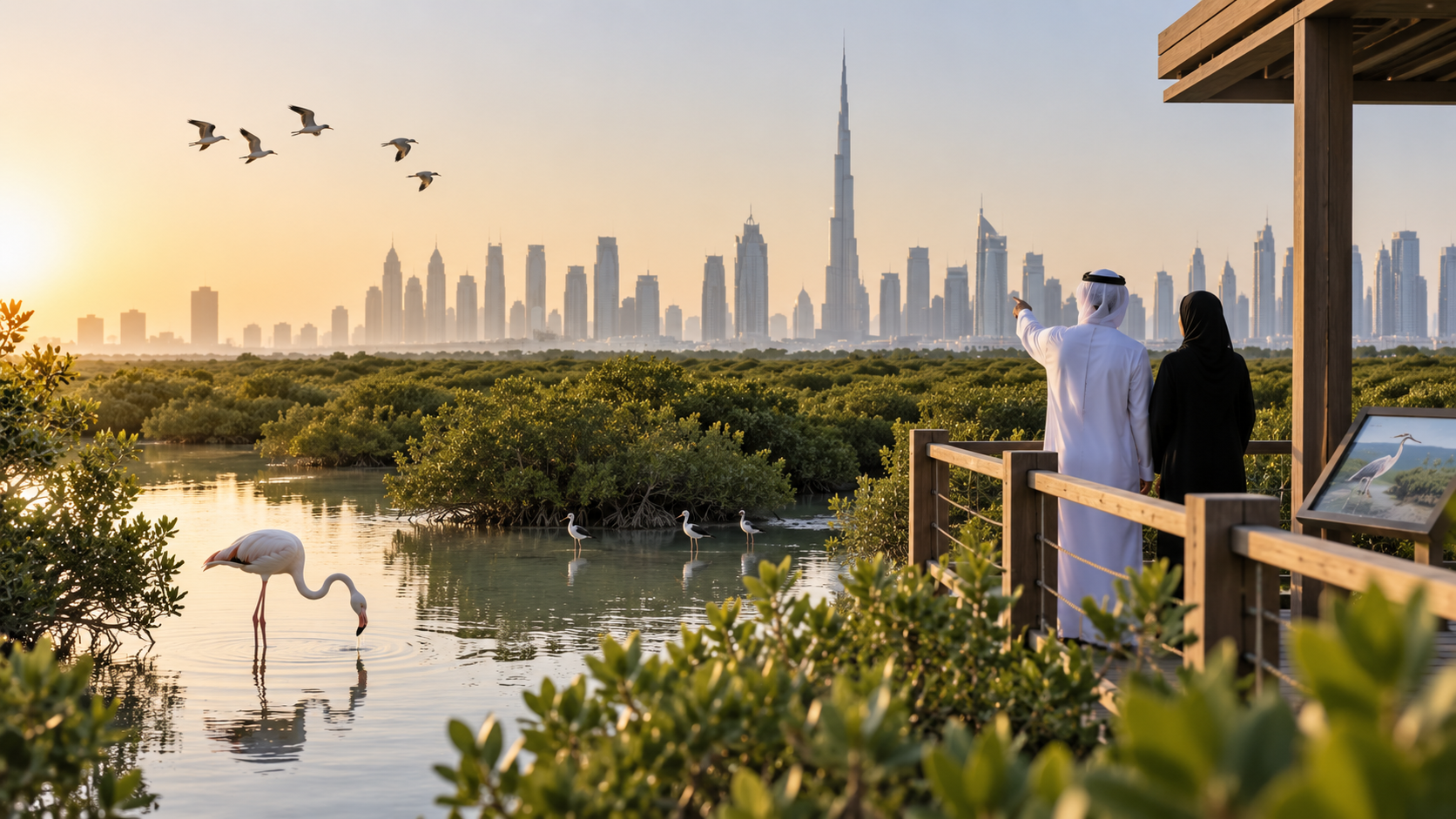
The project encompasses eight existing protected sites, which include the Hatta Mountain Reserve, Al Marmoom Desert Conservation Reserve, Ghaf Nazwa Conservation Reserve, Jebel Nazwa Conservation Reserve, Ras Al Khor Wildlife Sanctuary, Jebel Ali Wildlife Sanctuary, Dubai Desert Conservation Reserve, and Al Wohoosh Desert Conservation Reserve. Rather than operating as isolated locations, these reserves will be unified into a cohesive network aligned with global management standards and target objectives.
Through this collaboration, DECCA seeks to position Dubai's natural sites for inclusion on the prestigious IUCN Green List of Protected and Conserved Areas. The initiative operates on two integrated tracks. The first track begins with a system-level evaluation of habitat representation, ecological connectivity, climate resilience, and management effectiveness. The second track will utilize these scientific insights to modernize the legislative framework governing the reserves, clarifying rules for sustainable use, community involvement, and regulatory enforcement.
To ensure wide-reaching impact, DECCA and IUCN ROWA will organize national workshops with experts, private sector representatives, local communities, and youth. Beyond its primary conservation goals, the project aims to foster Dubai's green economy by encouraging eco-tourism. This development is expected to open new employment opportunities for UAE nationals in environmental guiding, resource management, and ecological research, while enhancing ecosystem services such as air purification and recreation for the general public.